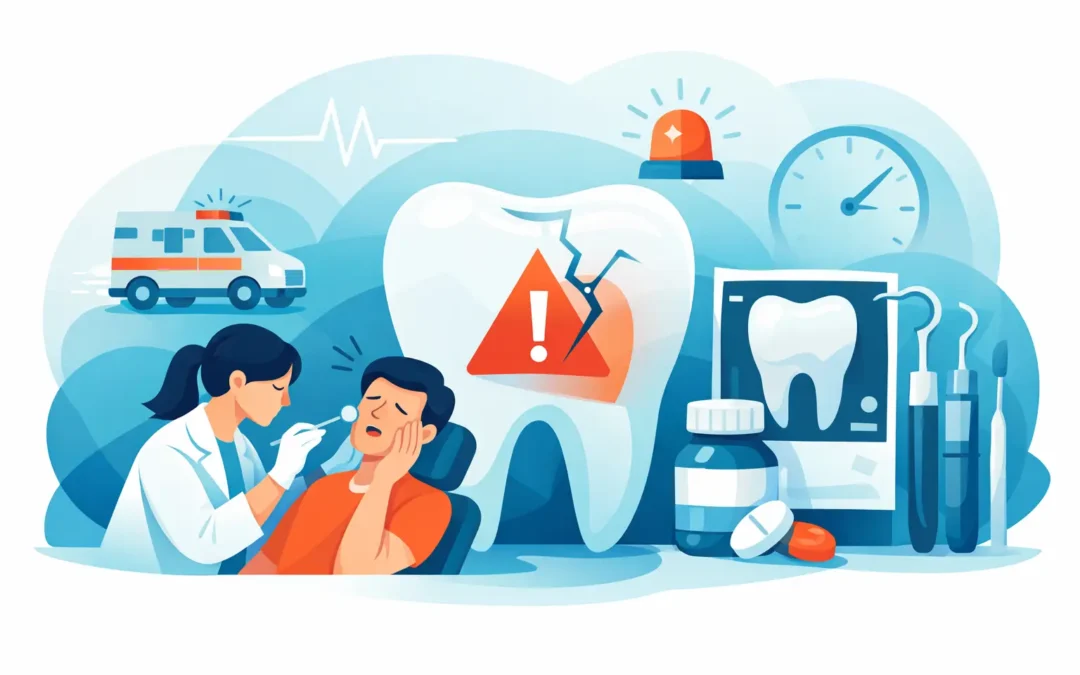
A throbbing tooth at 2 am, a cracked front tooth before work, or sudden swelling in your gum can make one thing very clear very quickly: some dental problems cannot wait. If you have been wondering what is urgent dental treatment, the short answer is this – it is dental care provided as soon as possible for problems causing significant pain, swelling, bleeding, trauma, or a real risk of the issue getting worse fast.
Urgent dental treatment is not just about comfort, although pain relief matters. It is also about protecting your tooth, preventing infection from spreading, and helping you avoid more complex and expensive treatment later. In many cases, acting quickly gives your dentist more options and gives you a better outcome.
What is urgent dental treatment and when do you need it?
Urgent dental treatment usually means same-day or next-available care for a dental issue that needs prompt attention, but may not be life-threatening. It sits between routine dental care and a medical emergency.
Routine care covers things like check-ups, cleans, and small issues that can safely wait for a scheduled appointment. Urgent care is for problems that should be seen quickly because the pain is severe, the damage is fresh, or there is a risk of infection or tooth loss. A true emergency goes beyond dentistry alone, such as major facial trauma, difficulty breathing, heavy uncontrolled bleeding, or swelling that affects swallowing. In those cases, hospital care may be needed as well.
For most people, urgent dental treatment becomes necessary when normal eating, sleeping, working, or speaking is being affected, or when the problem is clearly worsening over hours or days rather than weeks.
Common problems that need urgent dental treatment
Some situations are obvious. Others are easier to dismiss, especially if you are hoping the pain will settle on its own. Unfortunately, dental pain often does not resolve without treatment.
A severe toothache is one of the most common reasons people seek urgent care. That pain may come from deep decay, an infection, a cracked tooth, or a nerve that has become inflamed. If pain is keeping you awake, radiating through your jaw, or making it hard to bite down, it is worth calling promptly.
Swelling in the gum, cheek, or jaw also needs fast attention. Swelling can be a sign of infection, and dental infections can spread. Even if the pain is dull rather than sharp, visible swelling is not something to leave for a week or two.
A broken, chipped, or knocked-out tooth can also require urgent dental treatment, particularly after a fall, sports injury, or accident. A small chip may be mostly cosmetic, but a larger break can expose the nerve, create pain, and weaken the tooth further. A knocked-out adult tooth is especially time-sensitive. The earlier it is assessed, the better the chance of saving it.
Lost fillings, crowns, or bridges are another common reason for urgent appointments. Sometimes these feel manageable at first, but the exposed tooth underneath can become very sensitive or fragile. What begins as inconvenience can turn into a fracture or infection if left too long.
Bleeding after dental trauma, signs of an abscess, sudden jaw pain, or gum pain with pus or a bad taste in the mouth can all point to the need for prompt care as well.
What urgent dental treatment may include
The exact treatment depends on the cause of the problem. Urgent dental care is not one single procedure. It is a category of care designed to stabilise the issue, relieve pain, and decide the best next step.
In some cases, treatment is simple. A filling may repair a broken or decayed area. A crown might be re-cemented or replaced. A sharp fractured edge can be smoothed to stop it cutting your tongue or cheek.
In other situations, the dentist may need to treat infection or nerve pain more directly. That could mean draining an abscess, prescribing appropriate medication where needed, or starting root canal treatment to save the tooth. If the tooth cannot be saved, an extraction may be the safest option.
When trauma is involved, urgent treatment may also include checking neighbouring teeth, the bite, and surrounding soft tissues. A tooth that looks only slightly damaged on the outside can still have deeper injury, so assessment matters.
Good urgent care is not rushed in the careless sense. It is prompt, focused, and practical. The aim is to get you comfortable, make the area safe, and create a clear plan from there.
What to do before you see a dentist
If you think you need urgent dental treatment, call a dental clinic as soon as possible and explain what is happening. Mention pain level, swelling, trauma, bleeding, and whether the problem started suddenly. That helps the team judge how quickly you should be seen.
Until your appointment, there are a few helpful steps you can take. Rinse gently with warm salty water if your mouth is sore or swollen. Use a cold compress on the outside of your cheek for swelling after trauma. If a tooth has been knocked out, hold it by the crown rather than the root and keep it moist. If you can place it back in the socket safely, do so gently. If not, store it in milk or saliva and seek care quickly.
Try not to place aspirin directly on the gum, as this can irritate the tissue. Avoid chewing on the affected side, and be careful with very hot, cold, or sugary foods if the tooth is exposed.
These steps may help for the short term, but they are not a substitute for treatment. Painkillers can mask symptoms, but they do not remove infection or repair damage.
When it is urgent and when it can wait
This is where things can get a bit grey. Not every dental problem needs same-day treatment, and not every discomfort means something serious. A mild sensitivity that comes and goes may be suitable for a routine booking. A small chip with no pain may also be able to wait a little.
But if you are unsure, it is better to ask than guess. Dental issues can change quickly. A tooth that was mildly sore yesterday may become intensely painful by tonight. Swelling that seems localised can spread. A cracked tooth may split further under pressure from normal eating.
A good rule of thumb is this: if there is severe pain, swelling, trauma, bleeding, signs of infection, or a sudden loss of function, it should be treated as urgent. If the problem is minor and stable, it may be reasonable to book the next suitable appointment. When in doubt, a quick call can save a lot of stress.
Why prompt treatment often saves money and stress
Many people delay urgent care because they are worried about cost, time, or what the dentist might find. That is completely understandable, especially if dental visits already make you nervous. But waiting can make things harder, not easier.
A small infection can become a large one. A cracked tooth that may have been repairable with a filling or crown can end up needing root canal treatment or extraction. What starts as manageable pain can lead to missed work, poor sleep, and a much more stressful visit later.
Prompt treatment is often the more affordable path because it gives your dentist the best chance to treat the problem conservatively. It also means you can get clear advice early, rather than living with uncertainty and hoping for the best.
For anxious patients, there is another benefit. Being seen by a calm, gentle dental team early often prevents the panic that builds when symptoms become unbearable. If you already feel nervous about treatment, choosing a clinic that takes time, explains things clearly, and focuses on comfort can make a real difference.
What to expect at an urgent dental appointment
Most urgent appointments begin with a conversation about what happened, where it hurts, how long it has been going on, and whether anything makes it worse. The dentist will then examine the area and may take an X-ray if needed to see what is happening beneath the surface.
From there, the goal is usually to answer three questions: what is causing the problem, how can the pain or risk be reduced today, and what follow-up care is needed? Sometimes everything can be completed in one visit. Other times, the first appointment is about relief and stabilisation, with further treatment booked once you are more comfortable.
At a practice like Relax Dental, the experience should feel supportive rather than rushed. Urgent care still needs skill and efficiency, but it should also come with reassurance, clear communication, and options that take your comfort and budget into account.
If your mouth is telling you something is wrong, trust that signal. Getting help early is not overreacting – it is often the kindest thing you can do for yourself, your health, and your peace of mind.