That moment in the waiting room when your shoulders creep up and your jaw tightens is exactly why pain free dentistry matters. For many people, the fear is not only about treatment itself. It is about the memory of a bad experience, the sound of the drill, the sting of an injection, or the worry that they will not feel in control once they are in the chair.
A gentler dental experience can change that. Pain free dentistry is not a gimmick or a single technique. It is an approach to care that combines clear communication, careful planning, modern anaesthetics, a calm environment and a clinician who pays attention to how you are coping throughout the appointment. When those things come together, dental treatment can feel far more manageable than many patients expect.
What pain free dentistry really means
Pain free dentistry does not mean every treatment feels completely sensation-free from start to finish, because different procedures and different patients can vary. What it usually means is that your dentist takes every reasonable step to prevent pain, reduce anxiety and respond quickly if you feel uncomfortable.
That starts before any treatment begins. A good appointment should feel paced, not rushed. You should know what is happening, why it is needed and what your options are. For nervous patients, that sense of control often matters just as much as the numbing itself.
It also means tailoring the experience. A child coming in for a check-up, an adult needing a root canal, and someone arriving with an emergency toothache will all need slightly different support. Gentle care is not one-size-fits-all. It works best when your dentist adjusts the plan to the person sitting in front of them.
How pain free dentistry reduces discomfort
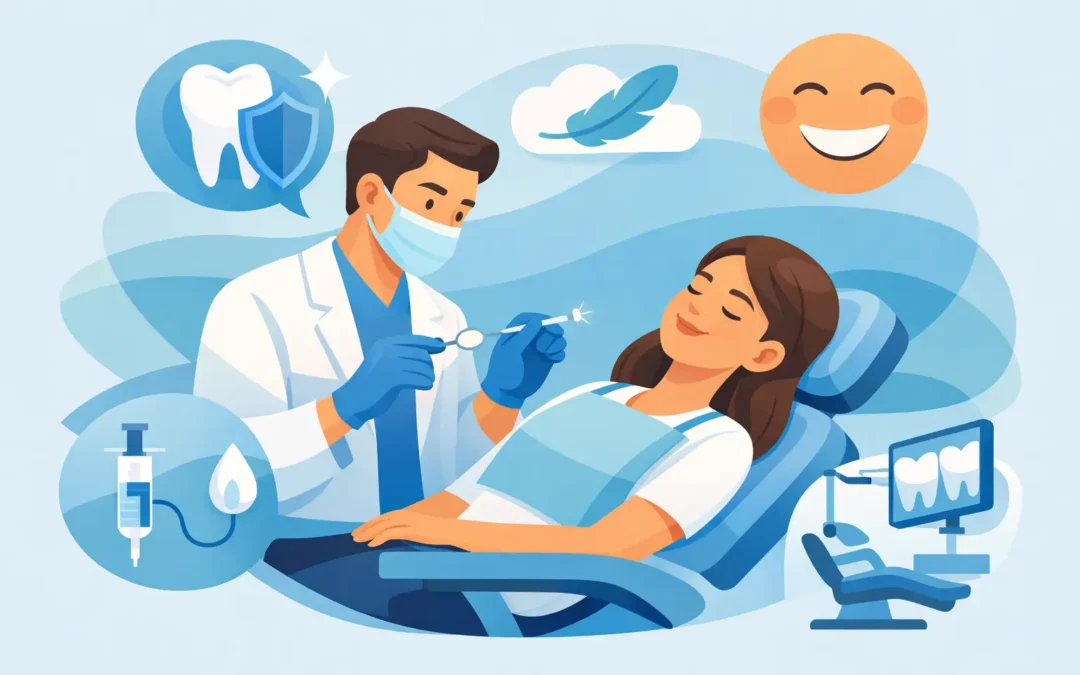
Most of the comfort patients feel during treatment comes from a series of small decisions rather than one dramatic fix. Topical numbing gel may be used before a local anaesthetic injection so the area is less sensitive. The injection itself can be given slowly and carefully, which often makes a noticeable difference. Once the area is numb, your dentist should check that it has worked properly before starting.
Technique matters as well. Gentle handling of the gums and teeth, appropriate instruments, and taking the time to explain sensations before they happen can all reduce stress. Even simple things such as short breaks, a better head position, or agreeing on a hand signal if you need to pause can help you feel more at ease.
For some patients, anxiety is the biggest source of distress. When you are tense, everything can feel sharper and harder to tolerate. That is why calm communication is a real part of pain management. If you feel listened to, you are less likely to brace for the worst.
Comfort is physical and emotional
People often think pain is only about the mouth, but anxiety and discomfort are closely connected. A patient who has avoided the dentist for years may arrive already overwhelmed. In that situation, a compassionate approach can make all the difference.
You should never feel embarrassed about being nervous. Dental anxiety is common, and it affects people of all ages. Some patients are worried about pain. Others worry about cost, judgment, bad news, or simply not knowing what will happen next. Pain free dentistry works best when those worries are recognised rather than brushed aside.
Which treatments can be pain free?
Many common dental procedures can be carried out with very little discomfort when they are planned properly. Check-ups and cleans are often straightforward, although people with sensitive gums may need a gentler approach. Fillings are usually very manageable with local anaesthetic. Root canal treatment, despite its reputation, is designed to relieve pain caused by infection rather than create more of it.
Extractions, crowns, gum treatment and emergency care can also be done comfortably in most cases, but the experience depends on the condition of the tooth, the level of infection and how early the problem is treated. A severely inflamed tooth, for example, can sometimes be harder to numb than a healthy one. That does not mean treatment has to be traumatic. It just means your dentist may need to adapt the technique or stage the care carefully.
Cosmetic treatments are often less invasive than people assume. Whitening and veneers can usually be planned with comfort in mind, especially if you already have sensitive teeth and mention that early. The more your dentist knows, the better they can tailor the process.
Why people delay treatment – and why that usually makes things harder
A lot of patients put off care because they are afraid it will hurt. It is a very human reaction, but unfortunately it often creates the exact situation they were trying to avoid. A small cavity that could have been treated quickly may turn into toothache, infection, or a more complex procedure. Bleeding gums may progress to more serious gum disease. A cracked tooth can worsen until chewing becomes painful.
Early treatment is usually simpler, faster and more comfortable. It is often more affordable too. If you have been postponing a visit because you are worried about pain, that is understandable. But it is worth knowing that waiting rarely makes a dental problem easier to deal with.
Emergency dental pain needs a calm response
When pain is already keeping you awake or making it hard to eat, you need more than a quick fix. You need a team that can assess the problem promptly, explain what is happening and relieve the immediate discomfort while planning the next step.
Emergency care should feel reassuring, not chaotic. Whether the issue is a broken tooth, swelling, infection or sudden sensitivity, being seen quickly can prevent the problem from escalating. In many cases, the first goal is to get you comfortable again before moving on to full treatment.
What to look for in a pain free dentistry clinic
If you are comparing dentists, look beyond the phrase itself. Pain free dentistry should show up in how a clinic operates day to day. That includes the way reception staff speak with patients, whether appointments feel rushed, how clearly treatment is explained, and whether comfort options are discussed without you having to push for them.
A good clinic will welcome questions. They will not make you feel silly for being anxious or needing reassurance. They should be able to explain likely sensations, expected recovery time and what they will do if you feel pain during treatment. That kind of openness builds trust.
It also helps to find a practice that can care for your needs over time. If you need regular family dentistry, cosmetic work, restorative treatment and the occasional urgent appointment, having one trusted team can reduce stress. Familiarity matters. Patients often feel calmer when they know the people looking after them.
Affordability plays a role too. For some people, financial stress adds to dental fear. Clear fees, flexible payment options and help with quotes or paperwork can make treatment feel more accessible and less overwhelming.
How to make your next appointment easier
If you are nervous, say so when you book. That gives the team a chance to allow enough time and note any concerns before you arrive. Mention if you have had a painful experience before, if injections worry you, or if you tend to avoid treatment until things become urgent. None of that is unusual.
On the day, try not to force yourself to act brave. Being honest is more useful. Ask what the appointment will involve, how long it should take and what you can do if you need a break. If cost is weighing on your mind, raise that early as well. Practical concerns can make it harder to relax, and they are easier to manage when discussed upfront.
For families, this matters just as much. Children often take their cues from the adults around them. When parents choose a calm, gentle clinic and speak positively about treatment, young patients are more likely to feel safe and cooperative.
Pain free dentistry is really about trust
At its heart, pain free dentistry is not only about numbing techniques or equipment. It is about being treated with care by people who understand that comfort, dignity and communication are part of good dentistry, not extras.
That is why many patients who once dreaded appointments end up feeling very differently after a positive experience. When a dentist listens, explains things properly and takes discomfort seriously, fear tends to lose its grip. At Relax Dental, that gentle, patient-first approach is exactly what helps people come back with more confidence the next time.
If you have been putting off care because you are expecting pain, it may help to think of your next visit differently. Not as something to get through, but as a chance to be looked after properly and get back to eating, smiling and living more comfortably.