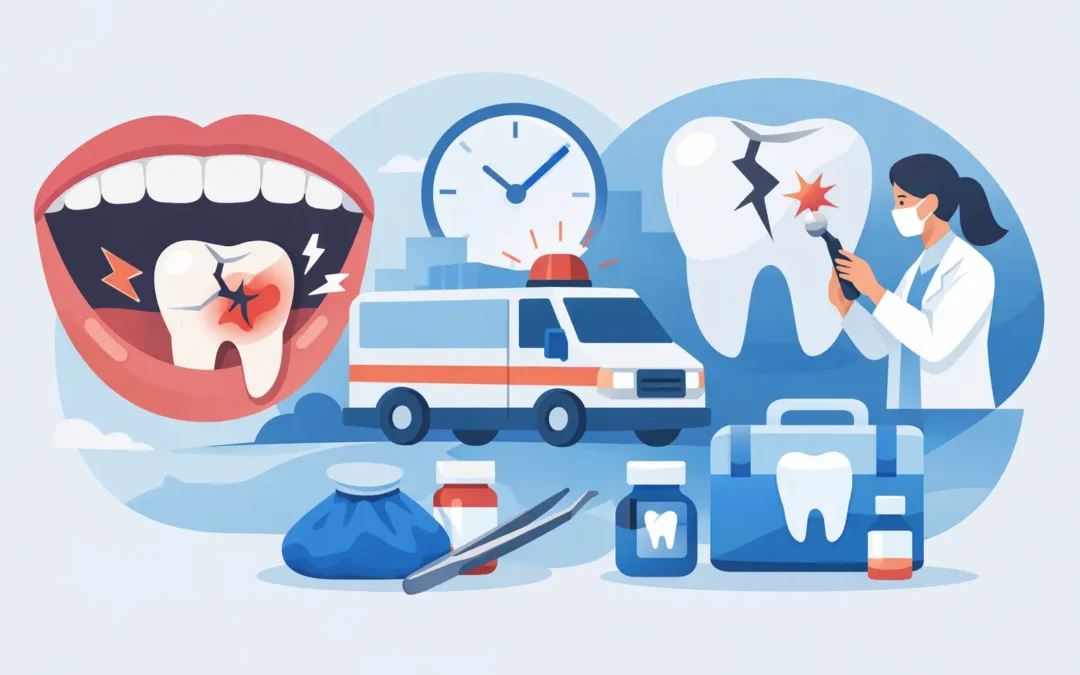
A toothache that keeps you awake at 2 am feels very different from the kind of problem you think can wait until next month. Emergency dental conditions often arrive suddenly, hurt more than expected, and leave people unsure whether to call a dentist now or try to get through the day. In those moments, clear advice matters. So does knowing that urgent care can be calm, gentle and focused on getting you comfortable as quickly as possible.
Some dental problems are inconvenient. Others are genuinely urgent. The difference usually comes down to pain, swelling, bleeding, infection, or damage that can get worse if left alone. If you are dealing with severe pain, facial swelling, a knocked-out tooth, uncontrolled bleeding, or signs of infection, it is best to contact a dentist as soon as possible.
Which emergency dental conditions need urgent attention?
Not every dental issue is an emergency, but some should not be put off. Severe toothache is one of the most common reasons people seek same-day care. Pain like this can point to deep decay, an abscess, an injured nerve, or infection. If the pain is throbbing, constant, or making it hard to eat, sleep, or concentrate, it deserves prompt assessment.
Swelling is another red flag. A swollen gum, jaw, or cheek can mean infection, and dental infections do not always stay localised. If swelling is increasing, you feel unwell, or you have trouble opening your mouth, swallowing, or breathing, that needs urgent attention straight away.
A broken, cracked, or chipped tooth can also become urgent, depending on the extent of the damage. A small chip with no pain may be manageable for a short time. A crack that exposes the inner tooth, causes sharp pain, or follows trauma is different. In those cases, early treatment can help save the tooth and reduce the chance of more complex work later.
Lost fillings, crowns, and bridges are common too. They may not always feel dramatic, but they can leave a tooth exposed and vulnerable. Sometimes there is little pain at first, then quite a lot once the nerve becomes irritated. It depends on where the damage is and how much natural tooth is left.
Knocked-out teeth are one of the clearest dental emergencies. Time matters here. The sooner a dentist sees you, the better the chance of saving the tooth. That is especially true for adult teeth.
What to do before you get to the dentist
The first step is simple – call a dental clinic and explain exactly what is happening. Mention pain levels, swelling, bleeding, trauma, and whether the problem started suddenly or has been building. That helps the team judge urgency and guide you on what to do next.
For toothache, rinse your mouth gently with warm salty water and keep the area as clean as you can. If food is trapped, careful flossing may help, but avoid poking around with sharp objects. A cold compress on the outside of the cheek can reduce discomfort and swelling. Take pain relief as directed on the packet if it is suitable for you, but avoid placing aspirin directly on the gum. That can irritate the tissue.
If a tooth has been knocked out, hold it by the crown, not the root. If it is dirty, rinse it briefly with milk or saline if available. Do not scrub it. If possible, place it back into the socket very gently and hold it there. If that is not possible, keep it in milk or inside the mouth between the cheek and gum if safe to do so. Then get to a dentist immediately.
For a broken tooth, keep any pieces you can find and bring them with you. Rinse your mouth with warm water and use a cold compress if there is swelling. If bleeding is present, apply gentle pressure with clean gauze.
If a filling or crown comes out, try to keep it safe and bring it to your appointment. Avoid chewing on that side. The tooth may be sensitive to hot, cold, or air, so soft foods and care with temperature can help in the short term.
Signs a dental problem may be an infection
One reason emergency dental conditions should be taken seriously is that infection can spread. A dental abscess does not always look dramatic at first. Sometimes it starts with a deep ache, tenderness when biting, or a bad taste in the mouth. Then swelling appears, or the pain becomes intense and constant.
You may also notice swollen gums, pus, a foul odour, fever, or enlarged glands. Some people feel run down or develop pressure around the jaw or face. If infection is suspected, the goal is not just pain relief. It is stopping the source of the problem before it worsens.
This is where it helps to see a dentist promptly rather than hoping antibiotics alone will fix it. In many cases, the tooth or gum still needs treatment such as drainage, root canal therapy, or extraction. The right option depends on the tooth, the severity of infection, and whether the tooth can be saved.
Dental trauma is not always obvious
A hit to the mouth during sport, a fall at home, or even biting down on something unexpectedly hard can cause more damage than people realise. Sometimes the tooth looks mostly normal, but it feels loose, sore, or different when you bite. That can mean injury to the tooth, root, or surrounding bone.
Children and adults both need prompt assessment after dental trauma. Even if the pain settles, changes can develop later. A tooth may darken, become sensitive, or start to loosen over time. Early review gives you a better sense of what is happening and what needs monitoring.
Soft tissue injuries matter too. Cuts to the lips, gums, cheeks, or tongue can bleed heavily because the mouth has a rich blood supply. Gentle pressure with clean gauze or cloth can help while you arrange care. If bleeding does not stop or the injury is severe, seek urgent help straight away.
When it can wait, and when it really should not
This is where people often feel uncertain. Mild sensitivity to cold, a small chip with no pain, or a slightly loose baby tooth usually does not require middle-of-the-night treatment. It still deserves attention, but it may be reasonable to book the next available appointment.
On the other hand, there are times not to wait. Severe or worsening pain, swelling, trauma, a knocked-out adult tooth, pus, fever, or bleeding that does not stop are all strong reasons to seek urgent dental care. If breathing or swallowing is affected, that is more serious again and needs immediate medical attention.
It also depends on your general health. People with certain medical conditions, weakened immunity, or a history of serious infections may need faster review even if symptoms seem moderate.
Gentle emergency care makes a real difference
One of the hardest parts of urgent dentistry is not always the treatment itself. It is the stress of not knowing what will happen, how much it will hurt, or what it will cost. That anxiety is completely understandable, especially if you have had a bad past experience.
A good emergency appointment should focus first on relief and reassurance. That means listening carefully, examining the problem properly, and explaining your options in plain language. Sometimes the immediate goal is to get you out of pain and stabilise the tooth, then complete further treatment once you are comfortable and informed.
For families, students, older patients, and anyone watching the budget, cost can be part of the worry too. The best approach is honest communication. In many cases, there is more than one way to manage an urgent problem, and the right plan balances comfort, long-term dental health, and affordability.
At a clinic like Relax Dental in Hamilton, that patient-first approach matters because people in pain need more than technical treatment. They need calm support, clear answers, and care that does not add to the stress of an already difficult day.
Preventing future emergencies where you can
Not every urgent dental problem is preventable, but plenty are. Regular check-ups can pick up decay, cracked fillings, grinding damage, and gum problems before they turn painful. A custom mouthguard for sport can reduce the risk of trauma. If you clench or grind your teeth, addressing that early may help prevent fractures and jaw pain.
It is also worth taking small warning signs seriously. A tooth that twinges when you bite, a filling that feels loose, or a gum area that keeps flaring up rarely improves by itself. Getting it checked early is usually simpler, less stressful, and often less expensive than waiting for it to become an emergency.
If something feels wrong in your mouth and your instinct says it should not be ignored, trust that feeling. Fast care can protect your tooth, ease your pain, and give you back a sense of control when you need it most.