A cracked tooth at dinner, a child waking up with a swollen cheek, or a sudden throbbing pain that will not let you sleep – dental problems rarely happen at a convenient time. When you need an emergency dentist Hamilton patients can rely on, the most important thing is getting clear advice quickly and being seen as soon as possible.
Dental emergencies can feel overwhelming, especially if you are already anxious about treatment. The good news is that prompt care often means faster relief, less complicated treatment, and a better chance of saving the tooth. The first step is knowing what counts as urgent, what you can do at home for the short term, and when not to wait.
What counts as a dental emergency?
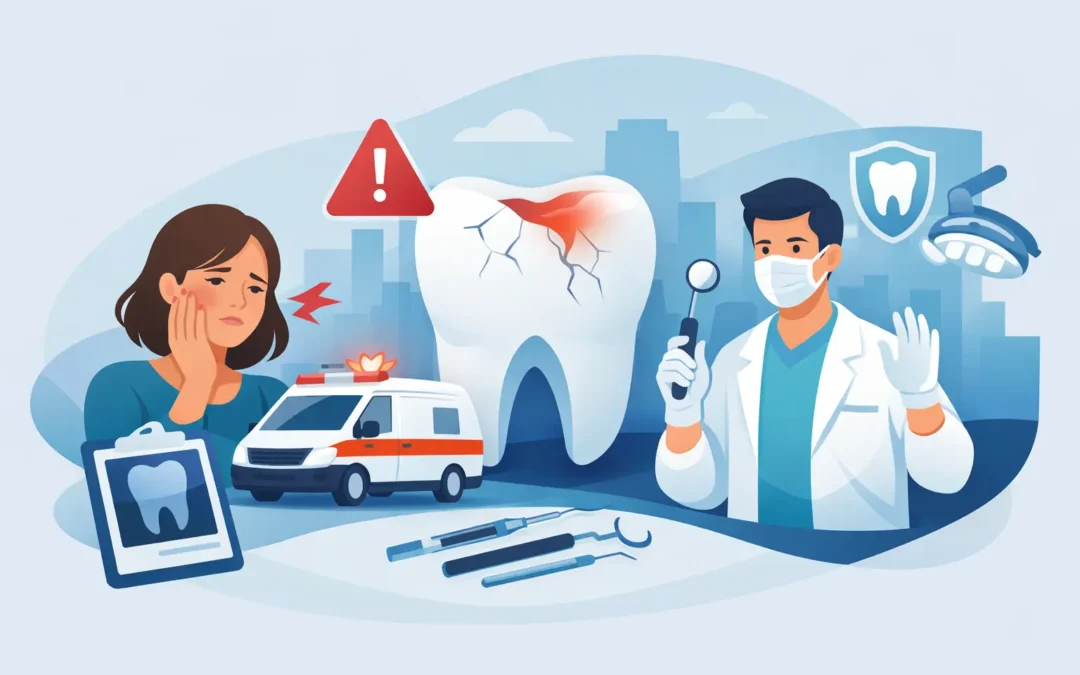
Not every dental issue needs same-day treatment, but some problems should be assessed as soon as possible. Severe toothache, facial swelling, knocked-out teeth, bleeding that does not settle, and broken teeth causing sharp pain are some of the clearest examples.
An emergency can also be less obvious. A lost filling or crown might not seem dramatic at first, but if the tooth is exposed and painful, delaying care can make things worse. The same goes for a cracked tooth. A small crack may feel manageable in the morning and become a major problem by evening if the nerve becomes irritated or the tooth splits further.
There is a trade-off here. Some discomfort can safely wait for a routine appointment, while other symptoms point to infection, trauma, or damage that needs priority treatment. If you are unsure, it is always worth calling and describing what is happening in plain language. A good clinic will help you work out how urgent it is.
Common reasons people need an emergency dentist in Hamilton
Toothache is one of the most common reasons people seek urgent dental care. Pain can come from deep decay, an infection, a cracked tooth, inflamed gums, or grinding that has pushed an already weak tooth over the edge. The level of pain does not always tell the whole story, but strong, persistent pain is a sign something needs attention.
Swelling is another reason not to put things off. If your gum, jaw, or face is swollen, it may be linked to an infection. Infections in the mouth do not usually improve on their own. They can spread, and they can become much harder to treat if left too long.
Accidents are also common. Sport, falls, chewing something unexpectedly hard, or even an old filling giving way can leave you with a chipped, cracked, or knocked-out tooth. In these situations, timing matters. A tooth that has been dislodged or broken may have a better outcome if treated quickly.
Then there are the emergencies that sit in the middle. A broken denture before work, a crown that comes off before a family event, or a loose front tooth can feel urgent because they affect eating, speaking, and confidence. They may not all be medically severe, but they still deserve prompt, practical care.
What to do before you arrive
If you are dealing with pain, rinse gently with warm salty water and avoid chewing on the affected side. A cold compress against the outside of the cheek can help reduce swelling. If a tooth has been knocked out, hold it by the crown rather than the root. If it is dirty, rinse it briefly with milk or saline if you have it. Try to keep the tooth moist and seek help immediately.
If there is bleeding, apply gentle pressure with clean gauze or a clean cloth. For a broken tooth, keep any pieces you can find and bring them with you. If a filling or crown has come out, avoid sticky or hard foods and keep the area as clean as possible.
Pain relief can help, but it is only a stopgap. It may make the wait easier, but it does not solve the cause. If symptoms are increasing, swelling is spreading, or you feel unwell, that moves things further into emergency territory.
Emergency dentist Hamilton care should feel calm, not rushed
Urgent dental treatment does not have to feel cold or chaotic. When people are in pain, what helps most is a calm explanation of what is happening, what can be done today, and what the next step looks like. That matters even more for children, nervous patients, and anyone who has had a difficult dental experience before.
A good emergency appointment is not just about speed. It is about relieving pain, assessing the cause properly, and creating a treatment plan that makes sense for your situation and budget. Sometimes the right option is immediate treatment on the day. Sometimes it is stabilising the problem, easing discomfort, and booking a longer visit for more complex work. It depends on the tooth, the level of infection or damage, and how comfortable you are.
That is why a gentle, patient-first approach makes such a difference. You want to feel listened to, not hurried through. You also want honest guidance. There are times when a tooth can be saved with a filling, root canal, or crown, and times when extraction is the safer choice. The best care is clear, practical, and tailored to you.
What treatment might be needed?
Emergency care can involve a range of treatments depending on the problem. A severe toothache might need a filling if decay is caught early, or root canal treatment if the nerve is infected. A broken tooth may be repaired with a filling, bonding, or a crown. A badly damaged or infected tooth may need to be removed.
If the issue is gum-related, treatment may focus on cleaning the area, draining infection where appropriate, and getting inflammation under control. If a crown, bridge, or denture has been damaged, the goal may be to restore function quickly so you can eat and speak more comfortably.
This is where experience matters. Emergency patients do not always walk in with one simple problem. Sometimes there is pain, old dental work, anxiety, and cost concerns all at once. A full-service clinic is often better placed to manage that without sending you elsewhere for every next step.
Cost matters when you need urgent care
One reason people delay treatment is worry about the bill. That is understandable. Dental pain is stressful enough without feeling uncertain about cost as well. But waiting can sometimes turn a manageable fix into a more involved and expensive one.
The right clinic will be upfront about fees, explain your options clearly, and help you prioritise what needs to happen now versus what can be staged later. For many families, students, and older patients, flexibility makes a real difference. Support with quotes, payment options, and practical admin can take some pressure off during an already stressful moment.
Affordable care does not mean rushed care or cutting corners. It means helping people get the treatment they need in a way that feels realistic and respectful.
When not to wait
There are some signs that should push you to seek help quickly. Facial swelling, fever, difficulty swallowing, ongoing bleeding, or trauma involving teeth and gums all need prompt attention. A knocked-out adult tooth is time-sensitive. So is sudden, severe pain that is not settling.
For parents, it can be hard to judge what is urgent with kids. If your child has swelling, significant pain, bleeding after an injury, or a tooth that has been broken or displaced, it is best to get advice straight away. Even when the damage looks small, there may be more going on under the surface.
Choosing the right emergency dental care
When you are searching for urgent help, convenience matters, but so does the experience you are walking into. You want a team that prioritises emergencies, explains things simply, and knows how to care for anxious patients with patience and respect.
That is especially important if you have been putting off treatment because of fear. A calm environment, gentle technique, and clear communication can completely change how an emergency visit feels. For many Hamilton families, that reassurance is just as important as the treatment itself.
At Relax Dental, emergency care is approached with exactly that mindset – gentle, prompt, and focused on getting you comfortable while finding the right long-term fix.
If something does not feel right, trust that instinct. Tooth pain and swelling are your body’s way of telling you not to ignore the problem. Getting help early can spare you a lot of pain, worry, and disruption, and sometimes it is the difference between a simple repair and a much bigger job later on.