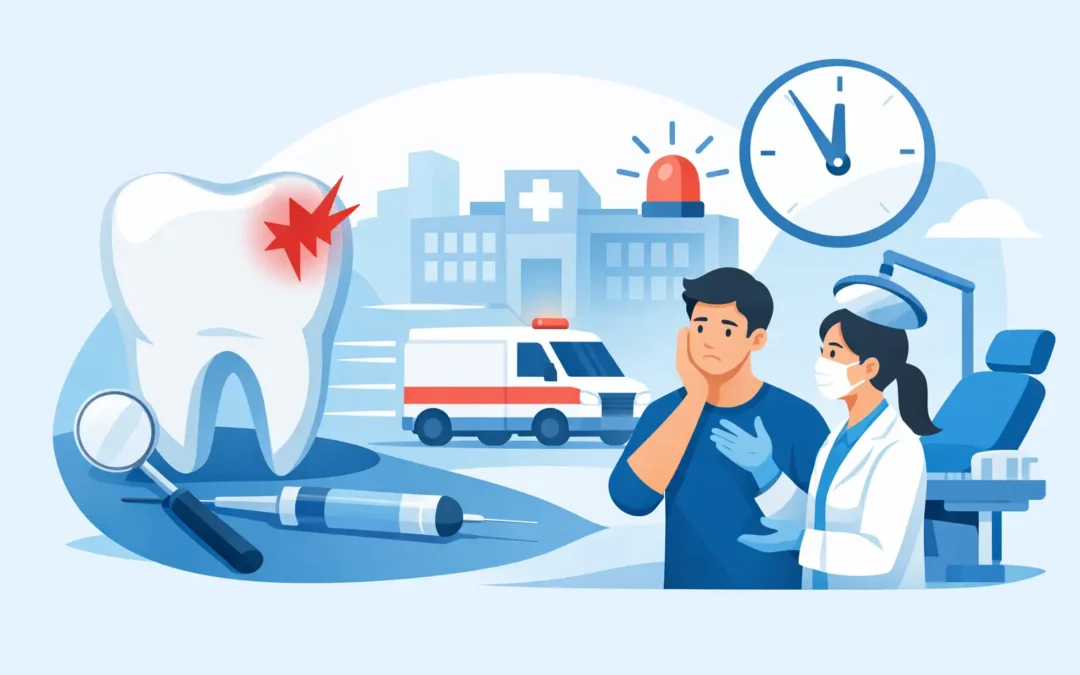
A knocked-out tooth at 7 pm, a swelling that suddenly worsens overnight, or tooth pain that makes it hard to eat, sleep, or think clearly – dental emergencies rarely happen at a convenient time. If you are wondering how to access emergency dental treatment, the most important thing to know is that acting quickly can ease pain, limit damage, and sometimes save the tooth.
When people are in pain, they often lose time deciding whether the problem is serious enough, whether they should wait until morning, or whether the cost will be manageable. That hesitation is understandable. But with urgent dental problems, a calm and practical response usually leads to a better outcome.
What counts as a dental emergency?
Not every dental issue needs same-day treatment, but some problems should never be left to chance. Severe toothache, facial swelling, uncontrolled bleeding, trauma to the mouth, a knocked-out tooth, or a broken tooth with sharp pain are all strong signs that you need urgent care.
An infection is one of the biggest reasons to seek help promptly. If you have swelling in the gums, cheek, or jaw, pain when biting, a bad taste in the mouth, or feel unwell along with dental pain, it may be more than a minor issue. Infections can spread and become harder to treat if left too long.
Some situations feel less dramatic but still deserve quick attention. A lost filling or crown might not seem urgent at first, yet if the exposed tooth becomes painful or fragile, waiting can turn a small repair into a larger one. The same goes for cracked teeth. A fine crack may be manageable, but a deeper fracture can worsen every time you chew.
How to access emergency dental treatment without wasting time
The fastest approach is usually to contact a dental clinic that provides emergency appointments and explain your symptoms clearly. Let them know when the problem started, whether you have swelling or bleeding, how strong the pain is, and whether the tooth has been damaged or knocked out. Those details help the team judge urgency and arrange the right care.
If you are calling outside normal hours, check whether the clinic has voicemail instructions, after-hours guidance, or advice on what to do next. If your symptoms involve serious swelling, trouble breathing, heavy bleeding, or trauma beyond the teeth and gums, seek medical help immediately rather than waiting for a routine dental slot.
It also helps to be honest about practical concerns. If cost is worrying you, say so early. Many people delay treatment because they assume there will be no options, but some clinics can talk through payment arrangements, quotes, or support documentation. That conversation is easier before the problem escalates.
What to do before you get to the dentist
What you do in the first hour can make a real difference. If a tooth has been knocked out, hold it by the crown rather than the root, gently rinse it if it is dirty, and try to keep it moist. In some cases, placing it back in the socket is possible, but only if you can do so safely and without force. Otherwise, store it in milk or inside the mouth near the cheek and get to a dentist as quickly as possible.
For swelling, use a cold compress on the outside of the face and avoid putting aspirin directly on the gums, which can irritate the tissue. If there is bleeding, apply gentle pressure with clean gauze or a clean cloth. For broken teeth, rinse the mouth with warm water and keep any pieces if you can find them.
Pain relief can help while you are waiting, but it is not a substitute for treatment. Follow the directions on the packet and avoid taking more than recommended. If the painkillers wear off and the pain returns sharply, that is usually a sign you still need prompt care rather than another day of waiting.
When to go straight to hospital instead
A dentist is usually the right first stop for toothaches, broken teeth, lost fillings, and many mouth injuries. But some situations need hospital care, especially if they affect your general health or safety.
Go straight to hospital if you have trouble breathing or swallowing, major facial trauma, severe bleeding that does not stop, or swelling that is spreading rapidly. The same applies if you have a high fever and feel significantly unwell alongside dental swelling. In those cases, the issue may be moving beyond the tooth itself.
For everyone else, seeing a dentist first is often the quickest path to relief. Dental clinics are equipped to diagnose the source of the problem and start treatment, whether that means a filling, root canal, extraction, temporary repair, or medication as part of a broader plan.
How emergency dental treatment is usually handled
One reason people put off urgent care is fear of the unknown. They imagine a rushed appointment or a painful procedure when, in reality, the first goal is usually to get you comfortable and stabilise the problem.
At an emergency appointment, the dentist will assess the tooth or area causing trouble, ask about your pain and symptoms, and may take an X-ray if needed. From there, treatment depends on the cause. If there is an infection, the priority may be draining the area or treating the tooth. If a tooth is cracked, the aim may be to protect it and reduce pain. If the damage is too severe, an extraction might be the safest option.
Sometimes the full treatment can be completed on the day. Sometimes it is better to provide immediate relief first, then book a follow-up for more complex work. That is not poor care – it is often the safest and most practical approach, especially when swelling, infection, or trauma needs to settle before the next step.
Cost concerns and getting help sooner
For many families, emergency dental care is not just about pain. It is also about budget. That is a real concern, and it should be part of the conversation, not something that keeps you at home hoping the pain disappears.
If you need urgent treatment, ask what the initial emergency appointment includes and whether there are options if further care is needed. Some clinics can help with quotes for support agencies, explain finance options, or work with patients who need a practical payment pathway. Students, seniors, and households managing tight weekly costs often benefit from asking these questions upfront rather than assuming treatment is out of reach.
If the issue is injury-related, support may also depend on how it happened. In some cases, documentation for ACC or similar assistance may be relevant. The key point is simple: ask early. It is much easier to plan when the problem is assessed promptly.
How to access emergency dental treatment if you are anxious
Dental anxiety is common, and emergencies can make it worse. Pain, swelling, and the pressure to act quickly can leave people feeling overwhelmed. If that sounds familiar, tell the clinic when you book. A caring dental team will not see anxiety as an inconvenience. They will see it as part of your care.
A gentler appointment often starts with clear communication. Knowing what will happen first, what might hurt, what can be numbed, and what your options are can make the experience feel much more manageable. You can also ask for breaks, a slower pace, or a step-by-step explanation before treatment begins.
This is where a calm, patient-first clinic matters. Relax Dental, for example, places a strong focus on gentle care, taking extra time with nervous patients, and prioritising urgent appointments when people are in pain. That combination of experience and reassurance can make it easier to seek help before a small emergency turns into a much bigger one.
A few signs you should not wait until next week
If you are still unsure, listen to the pattern, not just the pain level. Pain that wakes you at night, swelling that changes the shape of your face, sensitivity that becomes constant, or a broken tooth that makes chewing difficult are all signs the problem is moving forward, not settling down.
Even if the pain comes and goes, the cause usually remains. Dental problems rarely fix themselves. They tend to worsen quietly until they become harder, and more expensive, to treat.
The best next step is often the simplest one: make the call, describe what is happening, and let a professional guide you. When you get help early, emergency treatment is often more straightforward, more comfortable, and less stressful than people expect.
If something feels wrong in your mouth and your instinct says it should be checked, trust that feeling. Getting care sooner can protect your health, your tooth, and your peace of mind.