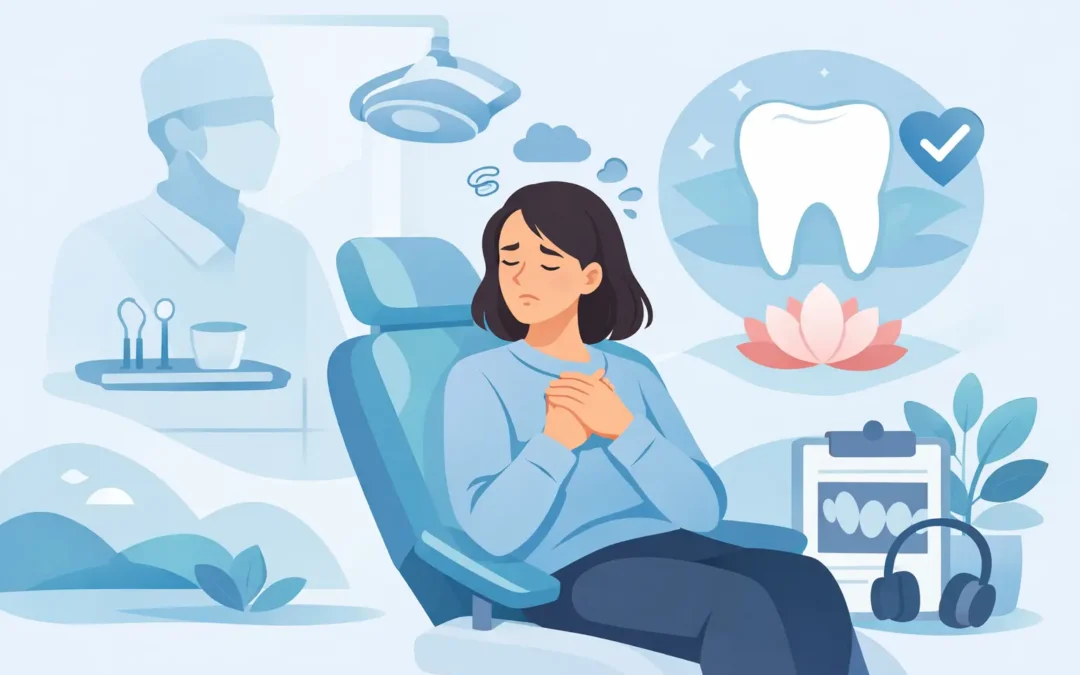
That racing heart in the waiting room, the urge to cancel at the last minute, the worry that something will hurt – dental fear is far more common than most people realise. If you have been searching for how to ease dental anxiety, the first thing to know is this: you are not overreacting, and you are not the only one who feels this way.
For some people, anxiety comes from a past painful experience. For others, it is the sound of the instruments, the fear of bad news, embarrassment about the condition of their teeth, or simply not liking the feeling of being out of control. Whatever is behind it, anxiety can make even a simple check-up feel overwhelming. The good news is that it can be managed, and often more effectively than people expect.
Why dental anxiety feels so strong
Dental anxiety is not just in your head. Your body can treat a dental appointment like a threat, even when you know logically that you are safe. That can trigger shallow breathing, muscle tension, sweating, nausea, or the feeling that you need to leave straight away.
This is one reason reassurance alone does not always fix it. Telling yourself to calm down may not be enough if your nervous system is already on high alert. What helps more is a plan that gives you a greater sense of control before, during, and after the appointment.
It also helps to recognise that anxiety exists on a spectrum. Some people feel uneasy for a day or two before a visit, while others avoid the dentist for years. The right approach depends on where you sit on that scale. Mild nerves may improve with better communication and a few calming strategies. More intense fear may need a slower approach, extra time, and a dental team that is genuinely experienced in treating anxious patients.
How to ease dental anxiety before your appointment
The best time to reduce anxiety is often before you even sit in the chair. Small steps taken early can make the whole visit feel more manageable.
Start by being honest when you book. Let the clinic know that you are nervous and explain what worries you most. That might be pain, injections, the sound of the drill, gagging, or feeling rushed. When a dental team knows this in advance, they can usually make practical adjustments such as allowing extra time, explaining things more clearly, or planning a gentler first visit.
It can also help to book strategically. Many people do better with a morning appointment, before the day has built up stress and before they have had hours to think about it. Others prefer a quieter time of day when the clinic feels calmer. There is no universal rule here – it depends on what makes you feel most settled.
If your anxiety rises sharply in the lead-up, avoid feeding it with worst-case thinking. Reading alarming stories online or replaying old experiences tends to make the body more tense, not more prepared. Instead, focus on what is true about the upcoming appointment. You are going in for information, support, and care. You can ask questions. You can pause. You can agree on a step-by-step approach.
A simple routine beforehand can help as well. Eat a light meal if your appointment allows for it, stay hydrated, and give yourself enough time to arrive without rushing. If you turn up flustered and late, your nervous system is already working against you.
The power of agreeing on signals and pacing
One of the most effective ways to ease fear is to remove the feeling of helplessness. A good dentist will not expect you to just endure treatment in silence.
Before anything starts, ask for a clear stop signal, such as raising your hand. This gives you a way to pause if you need a break, feel discomfort, or simply need a moment to breathe. Knowing you can stop often reduces anxiety before you even use the signal.
You can also ask the dentist to explain each stage briefly before they begin. Some patients feel calmer when they know exactly what is happening. Others prefer less detail because too much explanation makes them more tense. This is a good example of where it depends on the person. There is no right or wrong preference – only what helps you feel safer.
Pacing matters too. If you have not seen a dentist in a long time, you may not need to do everything in one visit. Sometimes the best first appointment is a consultation, examination, and a conversation about options. Once trust is built, treatment often feels far less daunting.
Practical ways to stay calm in the chair
When anxiety spikes, your body needs something concrete to do. Breathing is one of the simplest tools, but it works best when it is specific. Try breathing in through your nose for four seconds, then out slowly for six. A longer exhale helps tell your body that you are safe.
Grounding can help as well. Notice the feeling of your hands on the chair, your feet resting below you, or the rhythm of your breathing. This may sound basic, but it shifts attention away from spiralling thoughts and back to the present moment.
Many people find comfort in listening to music or a podcast through headphones, if the clinic allows it. This can soften the sounds of treatment and give your mind something familiar to focus on. Others prefer a blanket, a stress ball, or simply having the dentist check in regularly. These things do not remove fear completely, but they can lower it enough to make treatment feel possible.
If local anaesthetic is part of the concern, speak up about that early. Fear of pain is often stronger than pain itself. A gentle dentist can talk you through how numbness works, apply topical numbing gel where appropriate, and make sure you are comfortable before continuing. If you have had trouble getting numb in the past, mention that too. It is useful information, not a problem.
When embarrassment is part of the anxiety
A lot of anxious patients are not only afraid of treatment. They are also worried about being judged for how long it has been since their last visit or for the condition of their teeth.
This kind of shame keeps many people away far longer than they intended. Then small issues become bigger, more painful, and often more expensive to fix. That cycle is incredibly common.
The most helpful thing to remember is that a good dental team is there to help, not lecture. Dentists see a wide range of oral health problems every day. Their job is to assess what is happening now and help you move forward from here. You do not need perfect teeth to deserve kind treatment.
Choosing the right clinic makes a real difference
If you are wondering how to ease dental anxiety long term, the answer is not just about breathing techniques or distraction. It is also about where you go and how you are treated.
A calm, compassionate clinic can change the whole experience. Look for a practice that listens without rushing, explains treatment clearly, takes pain concerns seriously, and understands that anxious patients may need more time. Gentle care is not just a nice extra. For many people, it is the reason they are finally able to get treatment.
This is especially important if you need urgent care. Dental pain and anxiety together can be a rough combination. In those moments, being seen by a team that can act quickly while still keeping you comfortable matters enormously. A warm, non-judgemental approach can turn an emergency visit into the start of a more positive relationship with dental care.
For families, this matters across generations as well. Children often pick up on how adults feel about the dentist. When parents choose a calm, reassuring clinic and speak about dental visits in a steady, matter-of-fact way, kids are more likely to feel safe too.
Progress matters more than perfection
If fear has kept you away, try not to measure success by feeling completely relaxed. That is not always realistic, especially at first. A better goal is progress. Booking the appointment is progress. Walking through the door is progress. Getting through an examination, cleaning, or treatment with support is progress.
Over time, repeated positive experiences can retrain your response. The appointment that once felt impossible may become manageable. Then routine. For many patients, confidence does not arrive all at once. It builds quietly, visit by visit.
At Relax Dental, that is why gentle communication, patient comfort, and a slower, more supportive approach matter so much. When people feel heard and cared for, dental treatment becomes less about getting through it and more about taking care of their health without fear leading the way.
If you are nervous, you do not have to wait until you feel brave enough. Often, feeling safe starts with one honest conversation and a dental team willing to meet you where you are.