
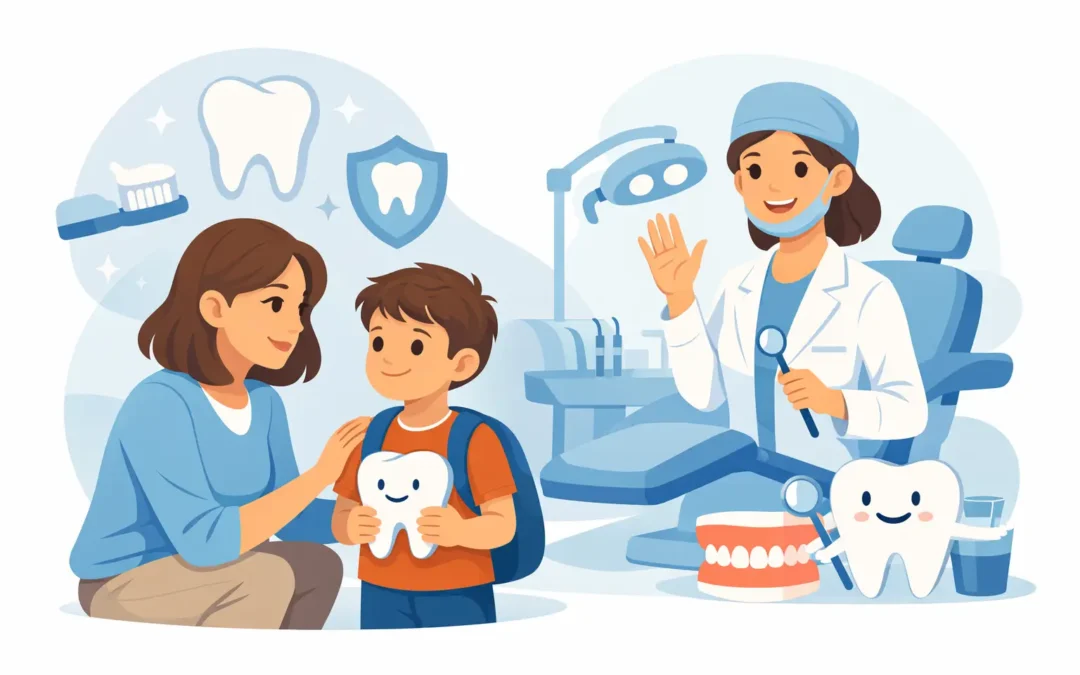
The hardest part of a child’s dental appointment is often the build-up. A few worried questions in the car, a sudden refusal to open their mouth, or tears in the waiting room can make parents feel tense before the visit even begins. If you’re wondering how to prepare kids dentist visit routines in a way that feels calm and manageable, the good news is that a little planning can make a big difference.
Most children do better when the experience feels familiar, predictable and low-pressure. That does not mean every child will walk in smiling, and that is completely okay. Some kids are naturally confident. Others need more time, more reassurance and a gentler pace. The goal is not perfection. It is helping your child feel safe enough to take the next step.
Why preparation matters more than parents think
For children, a dental visit is not just about teeth. It is about new sounds, new faces, bright lights and being asked to sit still while someone looks inside their mouth. Even a routine check-up can feel big when they do not know what to expect.
Preparation helps remove the mystery. When children have a simple idea of what will happen, they are less likely to imagine something much scarier. Parents also tend to feel calmer when they have a plan, and children pick up on that quickly. If Mum or Dad sounds relaxed, the appointment often starts on a better note.
There is one trade-off worth keeping in mind. Too little preparation can leave a child unsettled, but too much talking can accidentally build the appointment into a major event. For most kids, brief and positive works best.
How to prepare kids for a dentist visit at home
Start with honest, simple language. You do not need a long explanation. You might say that the dentist is going to count their teeth, check they are growing well and help keep their smile healthy. Younger children usually respond best when things are explained in clear, everyday terms.
Try to avoid promising things you cannot control. Saying, “Nothing will happen” or “It definitely won’t feel weird” can backfire if your child experiences something unfamiliar. It is usually better to say, “The dentist will be gentle and explain things to us,” or “You can let us know if you want a little break.” That keeps trust intact.
Pretend play can help as well. A toy dental check at home, with your child opening wide while you count teeth, can make the real visit feel less strange. Some families also find it helpful to read a children’s book about going to the dentist or to act out the appointment with a teddy. The point is not to teach every detail. It is to make the experience feel more normal.
Timing matters too. If your child still naps, avoid booking across nap time if you can. If they tend to get hungry and grumpy late in the day, an earlier appointment may go more smoothly. A child who is tired, rushed or overwhelmed is more likely to struggle, even with the kindest care.
What to say before the appointment
The words parents use can either settle nerves or accidentally add to them. Children notice tone as much as meaning. If the appointment is spoken about like a problem, they often assume there is a reason to worry.
A calm, matter-of-fact approach usually works best. Let them know where they are going, who they will see and what will happen first. Keep your voice steady and your explanation short. For example, “We’re going to see the dentist this morning. They’ll have a look at your teeth and help keep them nice and strong.”
It also helps to avoid scary words when they are not needed. Terms like needle, drill, pain or hurt can stay in a child’s mind long before they understand the context. That does not mean avoiding honesty. It simply means using child-friendly language and letting the dental team explain anything more specific in a gentle, age-appropriate way.
If your child asks whether it will hurt, do not dismiss the question. A good response might be, “The dentist is very gentle, and if anything feels uncomfortable, you can tell them.” That answer is reassuring without sounding unrealistic.
How to handle an anxious child on the day
Even well-prepared children can become clingy or upset when the appointment arrives. That does not mean you have done anything wrong. Some children need to see the room, meet the team and settle in before they feel safe.
On the day, try to keep the lead-up unrushed. Give yourself enough time to get there without feeling flustered. If you arrive stressed, your child may mirror that energy. Bringing a comfort item such as a small toy or blanket can also help, particularly for younger children.
If your child is nervous, acknowledge it without making it bigger. “It’s okay to feel a bit unsure” can be more effective than repeatedly saying, “Don’t be scared.” The first response validates the feeling. The second can make fear sound like the main issue.
Praise cooperation in small steps. Sitting in the chair, opening wide for a moment, or letting the dentist count a few teeth are all wins. Not every appointment needs to be perfect to be successful. Sometimes progress looks like getting through half the check-up calmly and coming back more confident next time.
How to prepare kids dentist visit expectations for different ages
Age makes a difference. A toddler’s needs are very different from those of a school-aged child.
With toddlers and preschoolers, keep explanations very short and concrete. They usually care more about who is with them and whether they feel safe than about detailed reasons for the appointment. Familiar routines, comfort items and a warm introduction often matter most.
Primary school children often want a bit more information. They may ask what the tools do or why they need X-rays or a clean. This is a good age to explain things simply and give them a sense of participation. Many children cope better when they know they can ask questions or raise a hand if they need a pause.
Older children may be embarrassed about worries they think are babyish. It helps to treat their concerns seriously and privately. They often appreciate direct communication and being included in the conversation rather than spoken about.
What parents can do during the appointment
Your role is to be a steady presence. For some children, sitting nearby and holding a hand helps. For others, too much talking from a parent can become distracting. It depends on your child’s temperament and the approach of the dental team.
Try to let the dentist lead the interaction where possible. Children often respond surprisingly well when a calm, experienced clinician explains each step directly to them. If a parent jumps in too quickly, it can interrupt that trust-building.
At the same time, you know your child best. If they need extra reassurance, a familiar voice can help. The best appointments usually feel collaborative, with the parent and dental team working together around the child rather than talking over them.
A gentle clinic environment matters here. Practices that take time, explain things clearly and prioritise comfort can make a real difference for children and parents alike. That is especially true if your child has had a difficult experience before.
After the visit, focus on confidence
What happens after the appointment can shape how your child feels about the next one. Even if the visit was a bit wobbly, try to speak about what went well. Maybe they sat in the chair, listened carefully or opened their mouth when asked. Positive reinforcement helps children remember success rather than stress.
It is also worth keeping the experience low-drama. A small reward can be fine, but you do not want to send the message that the appointment was such an ordeal it required a major prize. Warm praise and a calm chat are often enough.
If the visit showed that your child needs more support next time, that is useful information, not a failure. Some children need slower introductions. Some do better with morning bookings. Some need the dentist to explain every step before it happens. Once you know what helps, future appointments tend to get easier.
When extra support is a good idea
Sometimes a child’s fear is more than ordinary nerves. They may panic, refuse to enter the room, or stay distressed long after a previous appointment. In those cases, it helps to choose a family-focused clinic that is experienced with anxious patients and willing to move at the child’s pace.
A gentle approach does not mean lowering clinical standards. It means making space for trust, comfort and clear communication alongside high-quality care. For families in Hamilton, that kind of support can turn dental visits from a source of dread into a normal part of looking after health.
Children remember how people make them feel. If they feel listened to, respected and cared for, they are far more likely to build good dental habits that last. Sometimes the biggest win is not a perfectly calm appointment. It is helping your child leave thinking, “That wasn’t so bad after all.”