That sharp throb that starts in a tooth rarely waits for a convenient time. It can hit during dinner, wake you in the middle of the night, or flare up just as the weekend begins. If you are searching for how to stop tooth pain fast, the first priority is simple – calm the pain safely, then work out what is causing it so it does not keep coming back.
Tooth pain is not a condition on its own. It is a warning sign. Sometimes the cause is minor, such as food trapped between teeth or sensitivity from worn enamel. Other times it points to something that needs prompt treatment, like decay, an infection, a cracked tooth or inflamed gums. The right next step depends on what kind of pain you have, how severe it is, and whether there are other symptoms alongside it.
How to stop tooth pain fast at home
If the pain has started suddenly, there are a few things you can do straight away that are safe, practical and often effective for short-term relief.
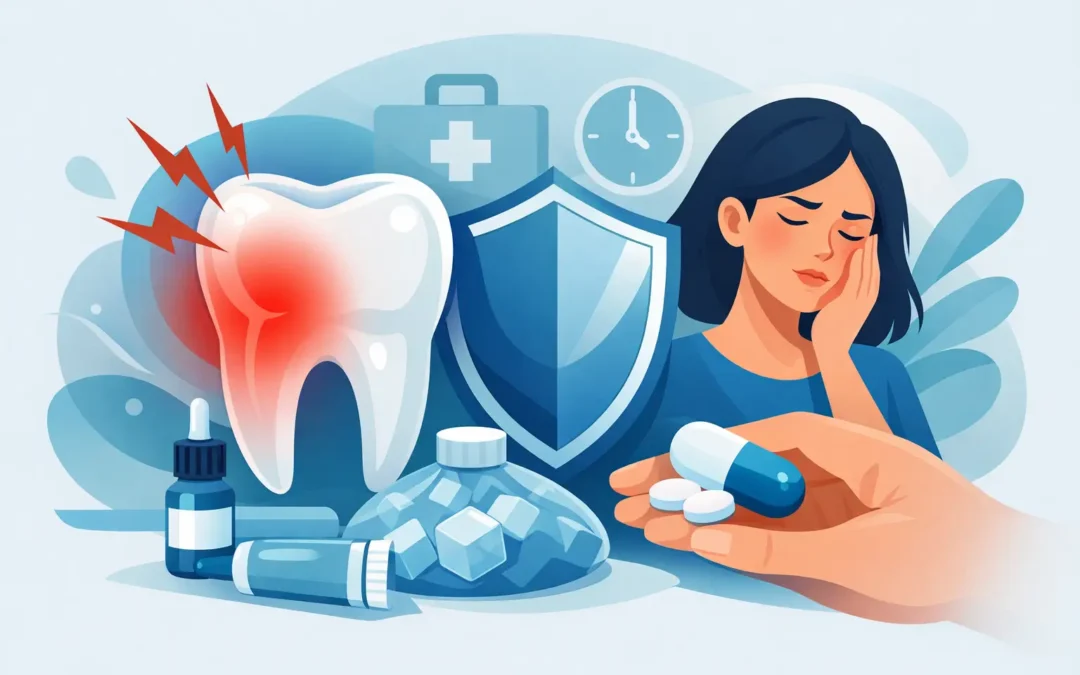
Start by rinsing your mouth gently with warm salt water. This helps clean the area, can soothe irritated gums, and may reduce some inflammation. Use warm, not hot, water. If the pain is being caused by something caught between your teeth, floss carefully around the sore tooth. Be gentle. You are trying to remove trapped food, not force the area.
A cold compress on the outside of your cheek can also help, especially if there is swelling or if the tooth has been knocked. Wrap the ice pack or cold pack in a cloth and apply it for 15 to 20 minutes at a time. Cold can reduce swelling and slightly numb the area.
If you can take them safely, over-the-counter pain medicines may help reduce discomfort. Follow the packet directions carefully and never exceed the recommended dose. If you have medical conditions, are pregnant, or take other medicines, it is worth checking with a pharmacist or health professional first.
For sensitive teeth, switching to lukewarm drinks and avoiding very hot, cold, sweet or acidic foods may settle things down for a while. Sometimes the fastest relief is simply stopping the trigger that is irritating the tooth.
What not to do when a tooth hurts
When people are in pain, it is understandable to try anything that promises quick relief. Unfortunately, some common home remedies can make things worse.
Do not put aspirin directly on the gum or tooth. It will not fix the cause and can burn the soft tissue. Avoid placing alcohol, crushed tablets or other harsh substances in the area as well. If the pain is intense, lying completely flat can sometimes make the throbbing feel worse because of increased blood flow to the head. Resting with your head slightly elevated may feel more comfortable.
It is also best not to ignore severe pain just because it settles briefly with pain relief. Temporary improvement does not mean the problem has gone away. A dying nerve, an abscess or a crack can all seem to come and go before becoming much more painful.
Why tooth pain happens in the first place
Understanding the likely cause helps explain why some sore teeth improve with a rinse and others need urgent treatment.
Decay is one of the most common reasons for tooth pain. A cavity can start quietly, then become painful once it gets close to the nerve. If the nerve becomes inflamed or infected, the pain may become sharp, lingering or throbbing.
A cracked tooth can hurt when you bite down, then ease off when you stop. Gum disease may cause tenderness, swelling, bleeding and a dull ache. Teeth grinding can also create soreness, especially around the jaw and back teeth. Wisdom teeth can cause pressure, swelling and pain if they are impacted or partially erupted.
Then there is dental infection. This is the one people most often hope will settle on its own, but it rarely does. An abscess can cause severe throbbing, a bad taste in the mouth, swelling, pain when chewing, and sometimes fever. That needs prompt attention.
How to tell if tooth pain is an emergency
Some dental pain can wait a day or two for an appointment. Some should be seen as soon as possible.
If you have facial swelling, a fever, trouble swallowing, trouble breathing, or pain that is severe and worsening, seek urgent dental care straight away. The same applies if you have a knocked-out or broken tooth, significant bleeding, or swelling around the jaw or gums that is spreading.
Even without those red flags, persistent toothache usually means you should book in promptly. Pain that lasts more than a day, keeps waking you at night, or needs repeated pain relief to stay manageable is not something to leave for long.
Fast relief depends on the cause
This is the part many people do not hear often enough: how to stop tooth pain fast depends on why it started.
If food is jammed between teeth, flossing may solve it in minutes. If the issue is sensitivity, avoiding triggers and using a desensitising toothpaste may calm things. If there is inflammation around the gum, warm salt water and professional cleaning may help. But if the pain is coming from infection, deep decay, a cracked tooth or an exposed nerve, home care is only buying time.
That is why dental assessment matters. It lets you move from guessing to actually treating the problem. Depending on what is found, treatment might be as simple as a filling, or it could involve gum care, a crown, root canal treatment or extraction. The goal is not only to stop the pain but to stop it from returning.
When painkillers help and when they do not
Pain relief has an important role, especially when you are trying to get through the night or wait for an appointment. But it has limits.
Painkillers can reduce inflammation and make a toothache more tolerable. What they do not do is remove decay, drain an infection, repair a crack or treat gum disease. That is why some people feel better for a few hours, then find the pain comes roaring back.
There is also a difference between manageable pain and masked pain. If you are needing regular doses just to cope, the issue is likely serious enough to need prompt dental attention.
A gentle approach matters when you are already hurting
Many people put off calling because they are worried the visit will be painful, embarrassing or expensive. That hesitation is common, especially if the tooth has been bothering you for a while.
A good dental team understands that people with tooth pain are often anxious, tired and fed up. Clear explanations, gentle treatment and practical options make a big difference. At Relax Dental, that patient-first approach matters because urgent care is not just about fixing teeth – it is about helping people feel safe enough to get the care they need.
If cost is part of the delay, say so early. There may be ways to stage treatment, prioritise the urgent issue first, or discuss payment options. It is usually better to have that conversation than to wait until a smaller problem becomes a bigger one.
How to reduce the chance of another painful flare-up
Once the immediate pain settles, prevention becomes the next step. Toothaches often start quietly. A small cavity, a grinding habit, inflamed gums or a cracked filling may not seem urgent until they suddenly are.
Regular check-ups help catch problems before they become painful. If you have sensitive teeth, ask what is causing it rather than just changing toothpaste again and again. If you grind your teeth, a custom mouthguard may prevent cracks and jaw soreness. If gums bleed when you brush, that is worth attention too.
Daily care still counts. Brush gently twice a day with fluoride toothpaste, clean between the teeth, and go easy on frequent sugary snacks and acidic drinks. Those habits are simple, but they do a lot of work in preventing the kind of pain that never seems to arrive at a good time.
There is no magic trick for every toothache, but there is a calm, sensible way forward: ease the pain safely, avoid the remedies that can do harm, and get the tooth checked before the problem grows. The sooner you deal with the cause, the sooner you can get back to eating, sleeping and smiling without thinking about that tooth every few minutes.