New research highlights an important connection between oral hygiene and overall health.
Most of us know that brushing our teeth helps prevent tooth decay and gum disease. But what if something as simple as maintaining good oral hygiene could also help protect patients from serious infections while they are in hospital?
A major Australian study has revealed that improving daily oral care may significantly reduce the risk of a particular type of hospital-acquired pneumonia.
The findings remind us that looking after our teeth and gums isn’t just about maintaining a healthy smile — it can be an important part of looking after our general health.
The Surprising Connection Between Your Mouth and Your Lungs
Our mouths naturally contain millions of microorganisms, including bacteria. Many of these are harmless, but some can contribute to disease.
When oral hygiene is neglected, dental plaque and bacteria can accumulate around the teeth, gums and tongue.
Small amounts of saliva and oral secretions can sometimes enter the lungs, particularly in people who are unwell, elderly or experiencing difficulty swallowing. If these secretions contain potentially harmful bacteria, they may contribute to respiratory infections, including pneumonia.
This is one reason researchers are increasingly interested in the relationship between oral health and respiratory health.
What Did the Australian Study Discover?
A major study known as the HAPPEN trial (Hospital-Acquired Pneumonia Prevention) involved 8,870 patients across three Australian hospitals.
Researchers investigated whether a simple oral-care programme could reduce the incidence of pneumonia in hospital patients who were not receiving mechanical ventilation.
The programme included:
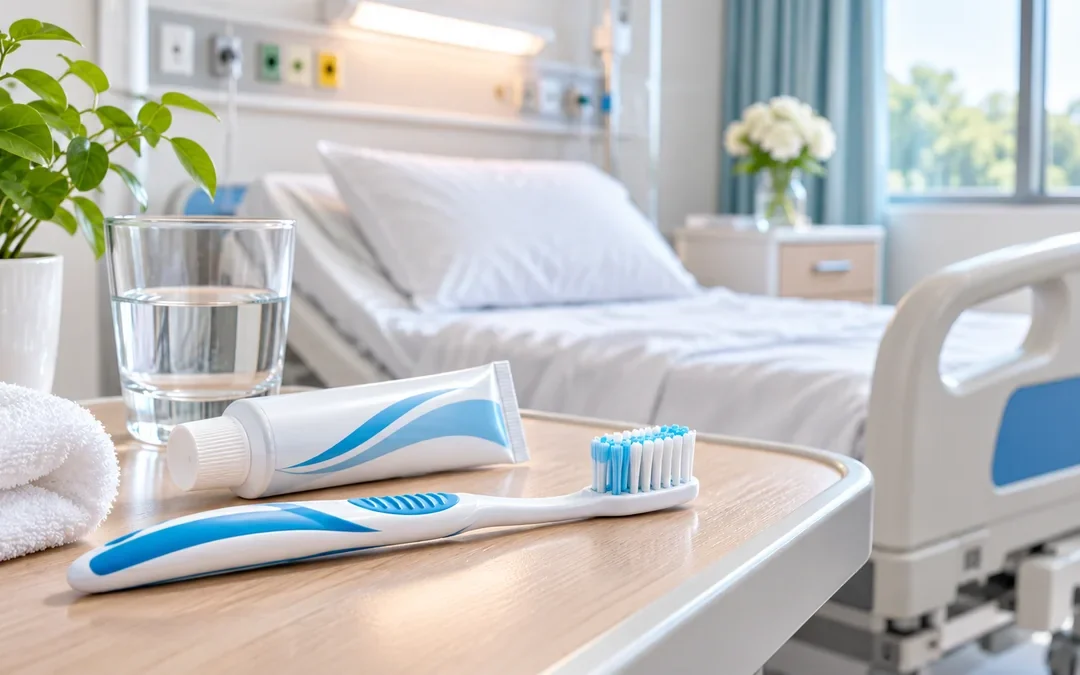
- Providing patients with toothbrushes and toothpaste.
- Educating patients about the importance of oral hygiene.
- Training nursing staff to support daily mouth care.
- Assisting patients who were unable to clean their teeth independently.
- Encouraging regular cleaning of teeth, dentures and the tongue.
The results were encouraging.
Patients receiving the improved oral-care programme experienced fewer cases of non-ventilator hospital-acquired pneumonia than those receiving usual care.
After accounting for time at risk and other factors, the researchers estimated an approximately 60% reduction in pneumonia incidence associated with the oral-care programme.
The programme also increased the proportion of patients completing oral care from approximately 16% to 62%.
These findings were published in The Lancet Infectious Diseases in June 2026.
Importantly, the study examined an entire oral-care programme, not toothbrushing alone. The results do not mean that brushing guarantees protection against pneumonia or replaces other infection-prevention measures.
Why Is Oral Hygiene Sometimes Neglected in Hospital?
During a hospital stay, brushing your teeth may not be your first priority.
Patients may be feeling exhausted, experiencing pain, recovering from surgery or struggling with limited mobility.
Others may have difficulty accessing their toothbrush or need assistance from nursing staff or family members.
However, maintaining good oral hygiene remains important, even during a short hospital admission.
The HAPPEN research suggests that providing patients with simple oral-care supplies, education and practical support can make a meaningful difference.
Five Practical Tips for Maintaining Oral Health in Hospital
If you or someone you care for is admitted to hospital, consider these simple steps:
- Pack a toothbrush and fluoride toothpaste. Include them in your hospital essentials whenever possible.
- Keep up your usual oral hygiene routine. Aim to brush twice daily if you can do so safely.
- Ask for assistance if needed. Nursing staff can help patients who have difficulty brushing independently.
- Remember dentures and the tongue. Oral hygiene involves more than cleaning natural teeth.
- Speak to your healthcare team about swallowing difficulties. Patients with special care requirements may need an adapted oral hygiene routine.
Even patients who are unable to brush independently may benefit from an oral-care plan appropriate to their medical needs.
Healthy Teeth, Healthy Body
The connection between oral health and general health is an important area of ongoing research.
Good oral hygiene helps control dental plaque and supports healthy teeth and gums. Studies such as HAPPEN also suggest that oral care may have benefits beyond the mouth in certain healthcare settings.
Although these particular findings relate to hospital patients, they reinforce the importance of making oral hygiene part of our everyday routine.
A Message From Relax Dental, Hamilton
At Relax Dental in Hamilton East, we believe that preventive dentistry is an essential part of looking after your long-term wellbeing.
Regular dental examinations, professional dental care and good daily brushing habits all contribute to maintaining a healthy mouth.
Whether you are caring for yourself or supporting an elderly family member, oral hygiene is something worth prioritising.
A healthy smile is important — but the benefits of caring for your mouth may reach much further.
For dental advice or to arrange an appointment, visit Relax Dental.
Research and further reading
- White NM and colleagues. Effectiveness of oral care for the prevention of non-ventilator hospital-acquired pneumonia (HAPPEN): a multicentre, stepped-wedge, cluster-randomised trial in Australia. The Lancet Infectious Diseases, 2026. Read the published study.
- New Scientist, 19 April 2026. Brushing your teeth in hospital could prevent catching a bad infection.
- HAPPEN Research Project.
This article provides general educational information and does not replace individual medical or dental advice.